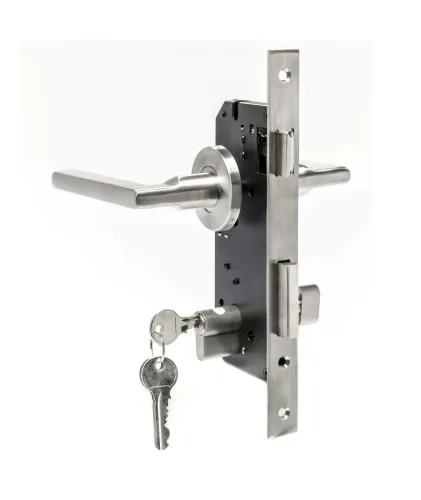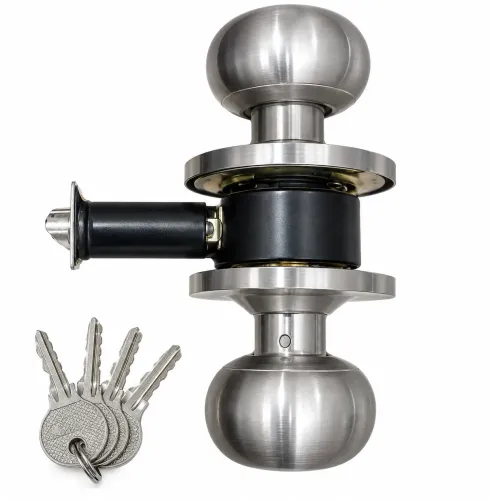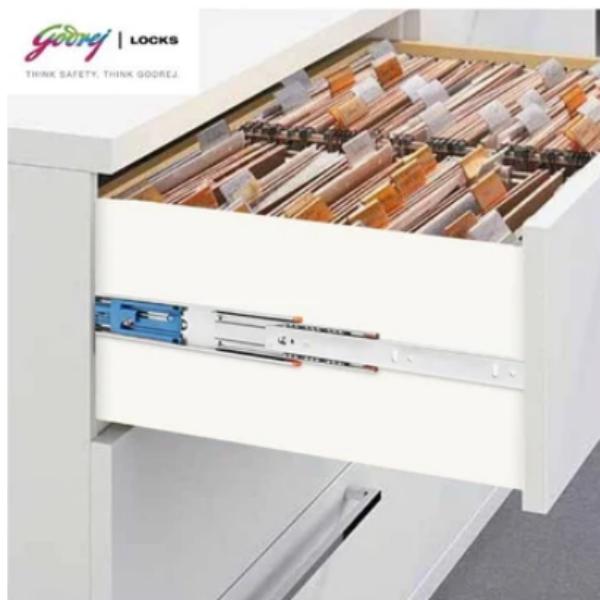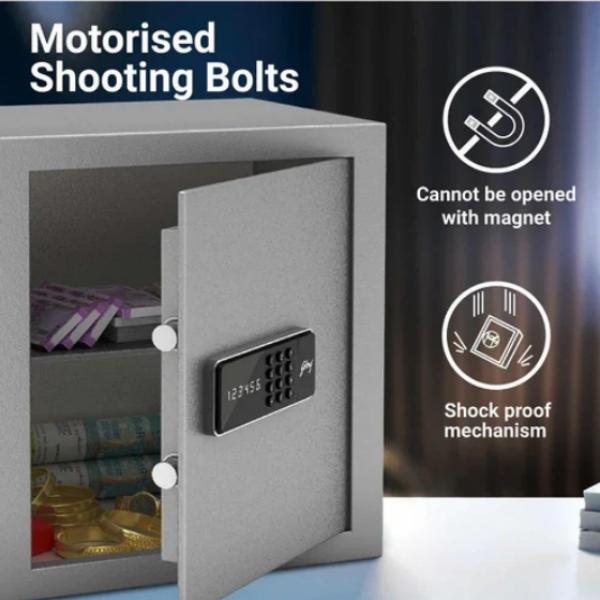
DIGITAL LOCK
A digital lock is an electronic locking system that uses a keypad, card reader, biometric scanner, or smartphone app to secure access to a door or other entry points. Unlike traditional locks that require a physical key, digital locks are keyless and offer a range of advanced security features.
Key Features of Digital Locks:
Keypad Access: Users can enter a numeric code to unlock the door.
Card Access: Access cards, key fobs, or RFID tags can be used.
Biometric Access: Fingerprint, iris, or facial recognition.
Smartphone Integration: Control via an app, including remote locking/unlocking.
Security Alarms: Some models have built-in alarms that trigger if an incorrect code is entered multiple times.
Battery Backup: Many digital locks include a battery backup to ensure functionality during power outages.
Audit Trails: Logs that track who has accessed the lock and when.
Common Applications:
Residential Homes: For front doors, garages, and safes.
Commercial Buildings: Office doors, server rooms, and secure areas.
Hotels: For guest room access.
Vehicles: Some cars now come equipped with digital locks.
Advantages:
Enhanced Security: Difficult to pick or bypass.
Convenience: No need for physical keys.
Customizable Access: Easily change codes or access permissions.
Considerations:
Cost: Digital locks can be more expensive than traditional locks.
Power Dependency: Rely on electricity or batteries.
Potential Hacking: Some systems can be vulnerable to cyber attacks, though high-end models have strong encryption.
If Any Query Contact Us SOHAN LAL GUPTA & CO.
Mobile No:8650333361
A digital lock is an electronic locking system that uses a keypad, card reader, biometric scanner, or smartphone app to secure access to a door or other entry points. Unlike traditional locks that require a physical key, digital locks are keyless and offer a range of advanced security features.
Key Features of Digital Locks:
Keypad Access: Users can enter a numeric code to unlock the door.
Card Access: Access cards, key fobs, or RFID tags can be used.
Biometric Access: Fingerprint, iris, or facial recognition.
Smartphone Integration: Control via an app, including remote locking/unlocking.
Security Alarms: Some models have built-in alarms that trigger if an incorrect code is entered multiple times.
Battery Backup: Many digital locks include a battery backup to ensure functionality during power outages.
Audit Trails: Logs that track who has accessed the lock and when.
Common Applications:
Residential Homes: For front doors, garages, and safes.
Commercial Buildings: Office doors, server rooms, and secure areas.
Hotels: For guest room access.
Vehicles: Some cars now come equipped with digital locks.
Advantages:
Enhanced Security: Difficult to pick or bypass.
Convenience: No need for physical keys.
Customizable Access: Easily change codes or access permissions.
Considerations:
Cost: Digital locks can be more expensive than traditional locks.
Power Dependency: Rely on electricity or batteries.
Potential Hacking: Some systems can be vulnerable to cyber attacks, though high-end models have strong encryption.
If Any Query Contact Us SOHAN LAL GUPTA & CO.
Mobile No:8650333361
Keywords